


Vertical Solution
Industry 4.0 solutions
The use of advanced digital technologies to create more autonomous and interconnected production systems is offering opportunities for new forms of production, operational processes and business models. Industry 4.0 promises a radical transformation of the way companies operate, offering greater efficiency, productivity and customisation. However, the adoption of these technologies also presents challenges, including the need for new skills, security issues, and the need for significant investment in new technologies and training.
We meet your business needs

Factories and Manufacturing
The use of modern technologies to improve manufacturing operations has changed the manufacturing sector considerably, introducing robotics, IoT and physical and digital security needs.

Indoor and Outdoor Agriculture
Smart agriculture has revolutionised the agricultural sector in both indoor and outdoor systems. Thanks to the analysis of data obtained from IoT devices, it is possible to control and optimise the entire production cycle of plants.
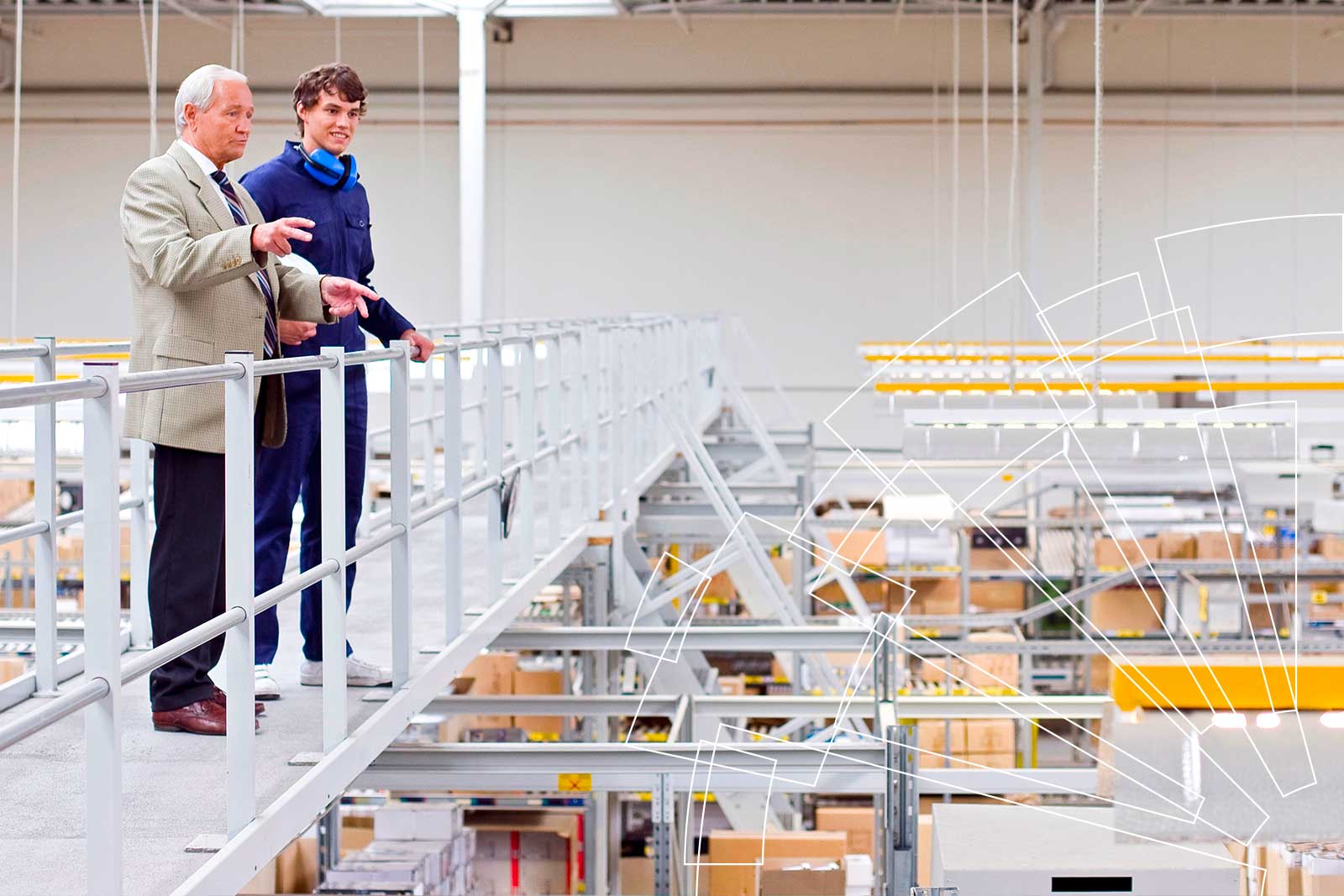
Warehouses
Warehouse management and optimisation has undergone many transformations in recent years leading to significant improvements in productivity, accuracy and sustainability in the logistics and warehouse management sector.
Technologies applicable for the realisation of the entire infrastructure
Advanced solutions for WiFi networks, connectivity, data protection and IT security, designed for modern and efficient facilities.
WI-FI
Guests of an accommodation facility immediately look for a WiFi connection, which is now a key criterion for hotel ratings. This is why it is important to ensure a stable and powerful network. WiFi 6 offers a modern and affordable solution, ideal for designing efficient and durable networks. In addition, the internal network can be used for targeted customer communications and, via captive portals and customised splash pages, enables the collection of useful data for marketing activities.
wired distribution
The basis of an efficient WiFi network is a solid, well-designed wired infrastructure. Switches and LAN cables ensure the correct distribution of data traffic, whether in complex installations with fibre backbones or in smaller facilities. A quality switching system, supported by a suitable console, ensures comprehensive network management and fast troubleshooting.
wireless
Despite the deployment of FTTC and FTTH, many areas, especially remote or white areas, still cannot rely on these technologies. In order to offer fibre-like connectivity, capable of supporting modern bandwidth and low latency requirements, alternative solutions are needed. Radio links, available in different configurations on free or licensed frequencies, make it possible to overcome geographical barriers and ensure reliable connections even where fibre does not arrive.
Network resilience
A robust network infrastructure needs to be protected not only against cyber attacks, but also against blackouts and data loss. UPSs and uninterruptible power supplies keep the network active even in the event of a power failure, while NAS and dedicated storage systems safeguard the most important information, avoiding the risk of ultimate loss and difficult recovery.
Network Security
Computer security is just as essential to protect guests’ devices as it is to protect their physical security. Firewalls are the first bastion of the network and must be constantly updated and maintained to ensure maximum protection and efficiency.
access control
To manage automated entry of authorised vehicles through number plate reading. Access control with rfid badges for authorised personnel access. Video intercom for the public and response units for the front desk. Platforms for access reporting and centralised management of systems including video surveillance.
VoIP system
Switchboard for handling calls to and from reception, between rooms and IVR for useful information. VoIP telephone systems with pre-set speed-dial buttons in every room, elegant video door entry systems and access control with coded door opening and rfid technology.
energy efficiency
The containment of energy costs is possible through the monitoring of the various systems no longer as watertight compartments but integrated in an automated global management (e.g. lighting and room temperature self-regulating according to the presence or absence of guests).
vMS Systems and Registration
Video Management Software is an IP platform in which all the equipment of a traditional CCTV system is integrated. Unlike an NVR (Network Video Recorder) or DVR (Digital Video Recorder) it offers: greater computing and storage capacity, multi-site management through remote connectivity and the possibility of scaling. VMSs allow the integration of cameras from different manufacturers, but not all the functionalities of these are always supported. This prevents the full potential and novelties available on the market from being exploited, limiting the entire system.